The 4mp Canon EOS-1D

Introduced in 2001, the 4.15 megapixel EOS-1D is a digital camera legend.

While they had collaborations with Kodak before with the EOS-D2000/Kodak DCS 520, the 1D was the first “all” Canon pro “1” series body that continues today with the current 18mp 1DX of 2011. Today, the 4mp 1D is also known on the web as the “1D Classic.”

1DSamCam

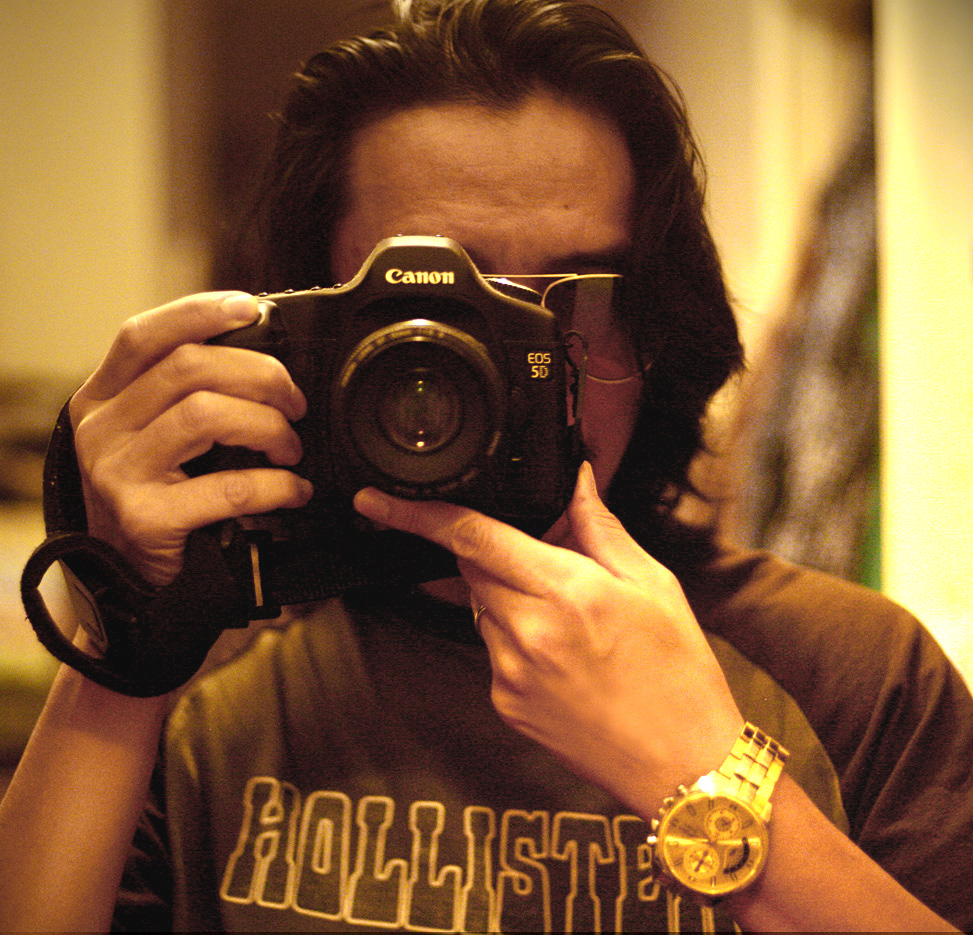
“Camera Nut” 2009. Canon EOS-1D, Leica 35mm f/1.4 Summilux-R

I got my first copy in 2004 and really loved the body and files from the 1D. I remember spending my time with the 1D trying to eek out as much quality as I could from those 4 megapixels! I shot, I printed large, I tried Genuine Fractals (anyone remember that program?).

1DMidiC

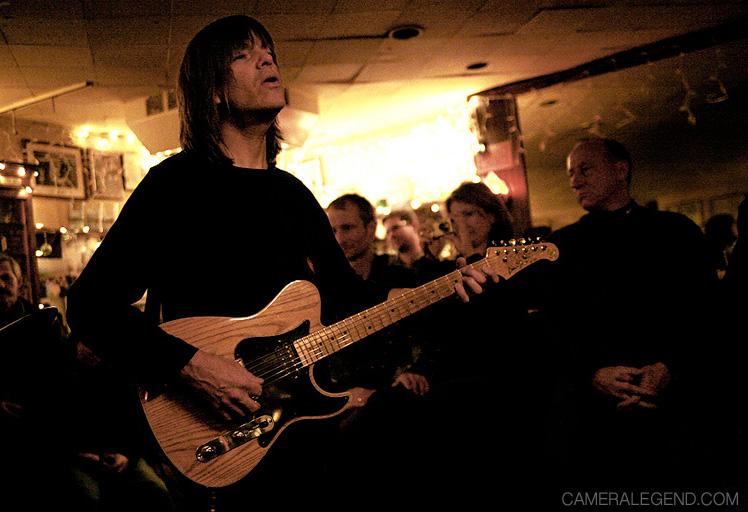
“Portrait Of Midi” 2007. Canon EOS-1D, EF 50mm f/1.8

As many 1D owners can attest, the camera is capable of producing very sharp files with really nice color, a combination of a great Panasonic sensor, and what I like to call “PHAT” pixels from the lower resolution.

AdidasC

“My Adidas” 2004. Canon EOS-1D.

The 1D was a hit with sports photographers and photojournalists, as well as enthusiasts like myself and many others. The camera could do 8 frames-per-second, though I never used it at that rate. Couldn’t stand to blow the shutter that fast, even if the camera could take it 🙂

The 1D Classic is plentiful on the used market and they can be had in good condition for around $200 and up. Lower priced samples are usually in rough shape. Remember, a lot of these cameras were in professional hands and probably have high mileage although the 1D shutters have been documented to have gone well into the hundreds of thousands.

PartingShotC

“Tribute” 2004. Canon EOS-1D, EF 20-35mm f/3.5-4.5.

Other negatives include poor battery life, which can be remedied if you buy one of the newer aftermarket batteries. The color can also be off at times, most notably images will sometime take on a greenish cast, especially in jpegs. All this can be fixed with some work in post-processing. The camera is also a heavy, bulky beast!

The positives are fast and accurate AF, great sharpness, and 4mp files that are a joy to work with, especially if you’re now used to 18-36mp files (Sony A7R, D800, etc, etc). And just the “feel” of the 1D series body will make you want to shoot it more, even if you don’t necessarily want to carry it around all day long.

In the 2014 world of 40+ megapixel cameras, it’s hard to imagine enjoying a 4 megapixel camera! However, I can tell you that the files from the 1D, when they’re good, they’re awesome. There is a reason why this camera has a cult like following.

The Canon EOS-1D Classic is indeed a digital classic and today, a great bargain entry into the wonderful world of the giant “1 Series” pro bodies from Canon. For the prices that they go for these days, the Canon EOS-1D Classic is a smokin’ deal for a Camera Legend!

ASmoke3C

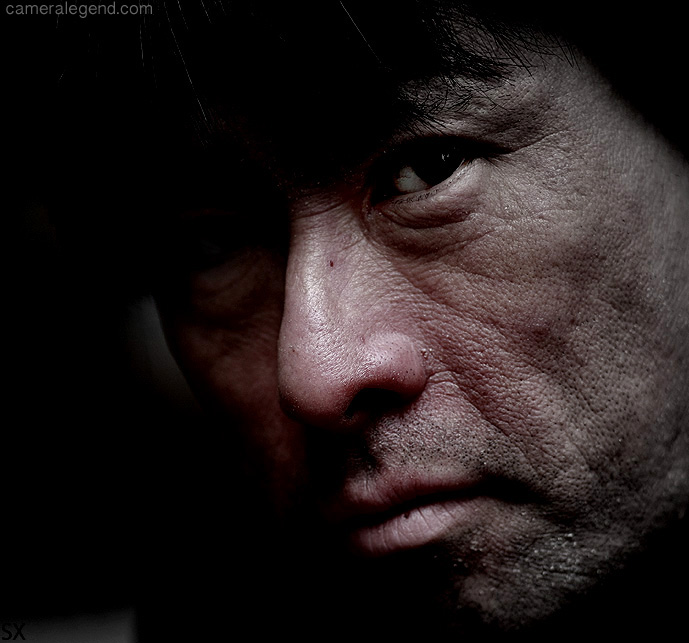
“Smokin” 2004. From my “Portrait Of An Addict” series. Canon EOS-1D, Olympus Zuiko 50mm f/1.8

PROS: Superb build quality; Fast AF; Sharp files with the right lenses; Bargain prices in today’s world for a 1 Series Canon

CONS: Battery life; low resolution in today’s world; Greenish color cast, at times

Prices: As of today, trending at $75-300 depending on condition, accessories, and where you buy from.

Note: I’m sorry that I do not have full sized or larger images from the 1D to share. I lost most of my original files from this camera some years back.

Canon EOS D2000

CanonD2000C

From 1998, a true digital pioneer, the Canon EOS D2000 aka Kodak DCS520.

The Canon D2000 (and its Kodak DCS520 sibling), was one of the first digital slrs with the looks and design that resembled digital slrs of today. The camera featured a 2 megapixel, aps-c sensor, pretty “amazing” in those days.

Gone were the huge, cumbersome battery packs and wires of the early digital slrs, and in was a new “compact” design and a nice slim battery.

However, by today’s standards, pretty damned BULKY!

AddictSamC

“Portrait Of An Addict” 2004. Canon EOS D2000, EF 50mm f/1.8

So about ten years back in 2004, when I found a sample for under $300, I jumped on it. Unfortunately, after the initial ‘fun’ the limitations of this pioneering camera became apparent.

“Nam Prik” 2010. Canon EOS D2000, EF 50mm f/1.8, ISO 200.

The lcd was sub-par, and menu system seemed more antiquated than using a Commodore 64. Battery life was horrid, and I needed to do manual white balance every time I went from indoors to outdoors. However, the images could be quite sharp thanks to the removable AA filter.

Today, the camera is not worth much, and only desirable for collectable value more than anything else. Any modern dslr will beat it in image quality, if not in “fun” 🙂

CP

“Portrait” 2004. Canon EOS D2000, EF 50mm f/1.8

Find this camera and more on my new and ever growing Instagram page: http://www.instagram.com/camera_legend

The Panasonic DMC-LC1/Leica Digilux 2

“Toe Curling Fun” 🙂 Panasonic DMC-LC1, 2009. For a larger and better view, please click on the photo.

The Panasonic DMC-LC1, aka, the Leica Digilux 2 was a 5mp point and shoot camera introduced in 2004 and featured a 28-90mm f/2-2.4 Leica Vario-Summicron lens.

I have fond memories of this camera. I remember lusting after it and getting one in 2005. I’ve never had more fun with a digital point and shoot than I did with this camera!

Now, I also had a Panasonic Lumix DMC-FZ20 before this and was not impressed with the “Leica” lens on it. It was sharp, but lacked any character.

The LC1 was different. The lens on this camera was phenomenally sharp. And it did have character. It had a Leica signature for sure.


Now being a small sensored point and shoot you’re not going to get any crazy bokeh with it. However, you CAN get some decent bokeh with the right technique/situation, but you also get resolution that looks better than you’d ever expect from five megapixels.

P1010149JDC

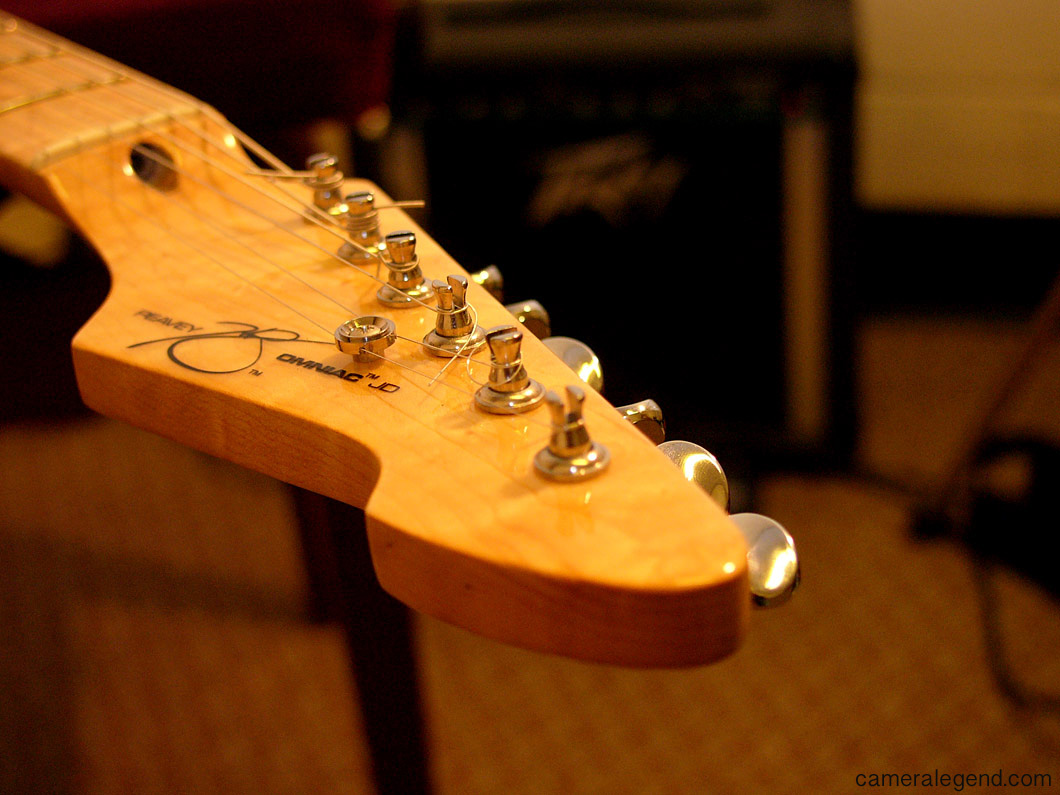
“JD Omniac” 2006. Panasonic DMC-LC1. As mentioned in the article, you CAN muster out some bokeh from the Panasonic LC1 if you shoot wide open and get in close. Please click on the photo for a larger and better view.

The build is also very good and it almost reminds me of the Fuji X-Pro 1 with a big lens on it. I absolutely loved this camera for street shots.

“Fine Arts, Ten Bucks” 2005, NYC. Panasonic DMC-LC1. He had some good stuff for ten bucks! I asked the man what his name was, he said “Call me Papi”…I said “Ok Papi” 🙂

I am sure Panasonic built everything on this camera, including the lens, though it really seems like a Leica designed lens rather than just a Leica “badge” as on other Lumix cameras.

You can also get this camera under the Leica name as the Leica Digilux 2. The Digilux 2 comes in a silver/chrome finish. I much prefer the black body of the Panasonic version, it works much better for unobtrusive street work. The Leica is also more expensive, as expected. Ignore the “red dot” and get the Panasonic! Trust me on this one 🙂

If buying one of these, be forewarned that many have had sensor failures, and you always have to be careful when buying older digital cameras, especially expensive ones.

That said, the Panasonic DMC-LC1/Leica Digilux 2 are cult classics and fantastic cameras that prove megapixels aren’t everything.

“Doc Spock” 2007. Panasonic DMC-LC1. Please click on the photo and check out the man’s face to see the outstanding resolution from this 5mp camera. You may have to double click it to see it properly.

Note 11/10/14: I have found the hard drive and some “lost photos” from the DMC-LC1 and have updated the post. The post is now current.

Note 11/4/14: I will be updating this post with more images from the LC1, but first I have to find the old hard drive which contains my images from this camera! It’s been a while since I’ve seen that old drive 🙂

If you’re on Instagram say Hi! http://www.instagram.com/camera_legend

The Most Important Camera Of The Past Ten Years

Please forgive the funky colors. It was intentionally done. This image was first posted on Instagram and I used one of their filters to put some "funk" to the image.

The Most Important Camera of the past ten years…The Canon EOS 5D Classic. Please forgive me for the funky colors, this was originally posted on Instagram using one of their popular filters.

For my first post here, I’d like to pay tribute to perhaps the most important and influential camera of the past ten years. And in my opinion, that camera would be…

The Canon EOS 5D, otherwise known today as the “5D Classic.”

I’m sure there are many people who would disagree with me, we all have our opinions. I will try to explain my reasoning for choosing the 5D Classic as the most important camera of the past ten years.

Three things. First, it was a “full-frame” DSLR. In 2005, there weren’t many of them and the ones that were there were ridiculously expensive. The top EOS 1Ds ran about $8000.

Please click on the image for a larger view.

“Birth” 2007. Canon EOS 5D Classic, EF 50mm f/1.8, ISO 500

The 5D was introduced at $3299. So with the 5D came an “enthusiast affordable” price. That’s the second reason. Before the 5D, it was like the “haves” and “have nots” as far as owning a full-frame DSLR.

If you could afford one, you were in the “elite” category. For everyone else, you had to use an APS-C, “DX” or other smaller sensors.

The 5D Classic changed this with its price point. Even though it certainly wasn’t cheap, $3299 is WAY better than $8000 if you want to have something left in the bank 🙂

LinHPba1

“Lin’s Head” 2005. Canon EOS 5D, Tamron 28-75mm f/2.8 XR, ISO 100

And last reason, for its time, the 5D had amazing high iso performance. Even though other cameras beat it on high iso today, in 2005 there was no competition.

MS8C

Jazz legend Mike Stern at the 55 Bar in NYC, 2006. Canon EOS 5D, ISO 3200.

All these things that the 5D Classic brought to market are still being worked on today by nearly all camera manufacturers. Even though micro 4/3’s will never be full-frame, their manufacturers continually work on better high iso capabilities, stronger camera bodies, and “enthusiast affordable” price for their pro and enthusiast models. This could arguably be traced back to the performance bar set by the 5D Classic.

Full-frame…High ISO performance…Price.

“The Darkness Comes” 2010. Canon EOS 5D Classic, Zuiko 35-80mm f/2.8, ISO 200

The 5D led the way to other awesome cameras that came after it…The Nikon D3/D3X/D700/D600/D4/DF, the Sony A900/A850/A99, the Canon 5D Mark II/5D Mark III/6D.

Yosh

“The Black Rain Killer” 2008. Canon EOS 5D, Zeiss 85mm f/2.8 Sonnar.

Even today’s mirrorless cameras such as the Sony A7/A7R/A7S all can be traced to the original 5D as their inspiration.

I’ve had mine since 2005. Thousands of shots. Never needed repair. Only once did the mirror fall out and I fixed it myself. Other than that, knock on wood, she still keeps ticking 🙂

“That Smile” 2008. Canon EOS 5D, Leica 90mm f/2 Summicron-R, ISO 800

Even today, I would say this camera could be used for almost any paying gig and still deliver the goods.

Is the 5D perfect? No. No camera is. No, it can’t do ISO 100,00+++, no it’s not a 10 frame-per-second monster, no it doesn’t have the fastest AF in the world. But YES, it delivers on image quality. At low iso’s, it still delivers files that look as good as almost anything out there today. At high iso’s, it can still get the shots albeit a little “gritty” by today’s standards, but I’m a fan of gritty 🙂

In hindsight, it’s easy to criticize the 5D for what it lacks. But to appreciate it, you have to “transport” yourself back to 2005. At that time, there was no full-frame DSLR cheaper, and no camera better for low light, high iso shots.

From 2007 “Happy Thanksgiving…Maybe Not?” 🙂 Canon EOS 5D, EF 50mm f/1.8, ISO 500

The Canon EOS 5D Classic is a digital pioneer and a true digital camera legend.

http://www.instagram.com/camera_legend