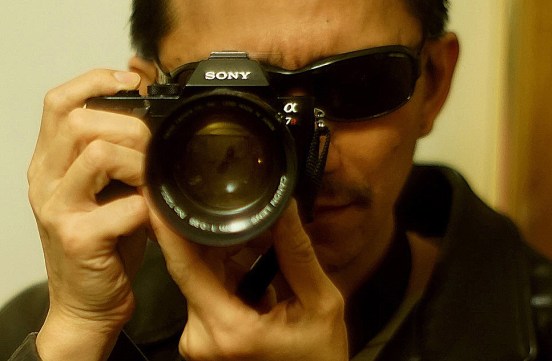
Some Film Images Part II

I had so much fun going down memory lane last night, I decided to do it again, one more night. This time the focus is on people and portraits. Back to reviewing cameras soon, I promise πŸ™‚

Again, captioned with these images are equipment that I have profiled or am planning to profile. Most of the gear I no longer have, except for the negatives and memories I have of them.

And again, while I love reviewing equipment, I love the equipment even more if it helps me take a decent pic!

Also as mentioned in the last article, a lot of these photos were posted for photo sharing sites long before I started blogging on WordPress. As such, some were resized much smaller than I’d like, but it would take me forever to locate the originals and work on them again. I thank you kindly for taking a look.

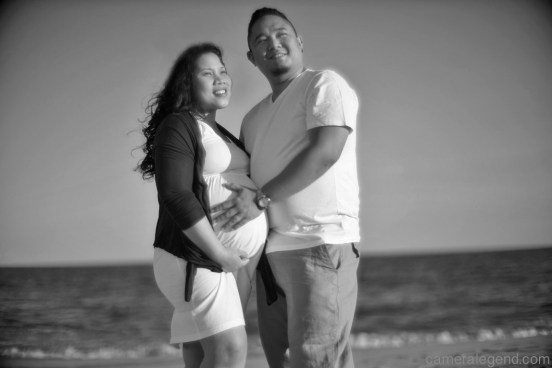
141123443.euHZ8DVy.imgT3MamaQuilin243I

“Separate Your Colors” 2011. Contax T3, Fuji Reala. Manila, Philippines.

72199654.3VurRO0j.BNwaPB

“The NWA” 1990. Minolta X-700, miscellaneous brand 80-200mm. No this is not Dr. Dre and the “West Coast” NWA. This is “Nature Boy” Ric Flair and the original NWA πŸ™‚

1186234_10201381547813019_1521540462_n

“The Young & The Restless” 1988. Minolta X-700, 50mm f/1.7 MD lens. Los Angeles, California. I was at the Farmer’s Market in L.A. and checking out magazines at a newsstand when I spotted two (then) very popular soap opera stars, Tracey E. Bregman and Doug Davidson, who were also checking out magazines. They must have been on a break from their show which was being filmed at CBS Studios nearby. I asked them for a photo and they graciously obliged. I was most impressed that they had no movie star “issues” and smiled for a geeky teenager with a camera πŸ™‚

10924621_10205004028452771_2700291808193830651_o

“The Gentle Giant” 2011. Nikon F4s, 28mm f/2.8 AIS Nikkor, Kodak Portra 160. I ran into NYC icon Louis Mendes, a photographer well known for his old school Speed Graphic camera and sharp retro outfits. Lou takes unique Polaroid portraits and has made a living and a legend out of it. I’ve bumped into Mr. Mendes a few times over the years and he has always been a willing a gracious subject for my cameras. Thanks Lou!

CPBrideC

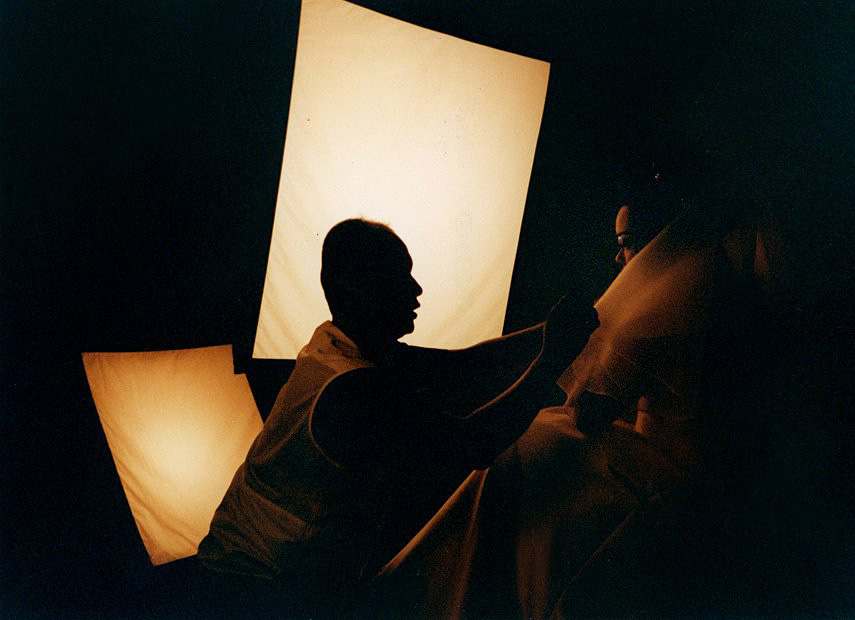
“Bangkok Bride II” 2005. Olympus Stylus Epic, 35mm f/2.8, Kodak High Definition 400 film. Bangkok, Thailand.

160432330.BUW2hQF2

“Native New Yorker” 2015. Leica M4P, 50mm f/2 Summicron-M, Kodak T-Max 400 developed in D76. NYC is a melting pot of cultures. No matter where you come from, you can quickly transform into a New Yorker!


September Gear Lustin’ :-)

SamCam

Boy the time went by fast. I almost forgot that I’ve been on this project for over a year now. It’s been a lot of fun, even if it’s hasn’t been really easy to post stuff that I think would be worth your time.

I started this blog and the Instagram page to profile the cameras I have used in my thirty plus years of gear lusting and photography loving. I hope to be able to profile more interesting gear for you in the coming weeks and months. I thank you for taking the time to read and view this man’s OCD with cameras and lenses πŸ™‚


My friends at Adorama reminded me of the great deals going on right now, with a lot of manufacturer rebates and instant savings, and I’m just passing this info along to you guys and girls. This is a good time to stock up on new camera bodies, lenses, and accessories and save a good deal of money in the process.

I really don’t have the funds right now or I would jump on these deals! Maybe some of you can take advantage of this. Here are some quick links.

Deals on camera bodies and lenses:

CANON Camera Bodies
CANON Lenses

NIKON Camera Bodies and Lens Deals
All NIKON Savings and Instant Rebates

And some amazing deals on the incredible new Zeiss Milvus lenses, which includes a new 50mm f/2, 85mm f/1.4, and 100mm f/2. These should all be incredible portrait lenses. Here’s the link to preorder these Zeiss lenses:

Zeiss Milvus Lenses

Plus lots of other great deals at their store. Happy shopping and enjoy!

Note: Sure this is a shameless plug for one of my favorite stores, but I have been buying from them for a long time and there are some great deals going on and I have to say they ship fast! And yes, if you buy through these links I might get a small commission which would buy me a cup of coffee and maybe help me keep blogging for you guys πŸ™‚

Anyway, Adorama is great, especially for new items, and I would never steer you guys in the wrong direction. I buy from them myself and will continue to do so. If you can get some great gear and save some money at the same time, I figure it’s a win-win πŸ™‚

Best,
Sam

The Sony A7R: Is It The Ultimate?

DSC00513SamCamI

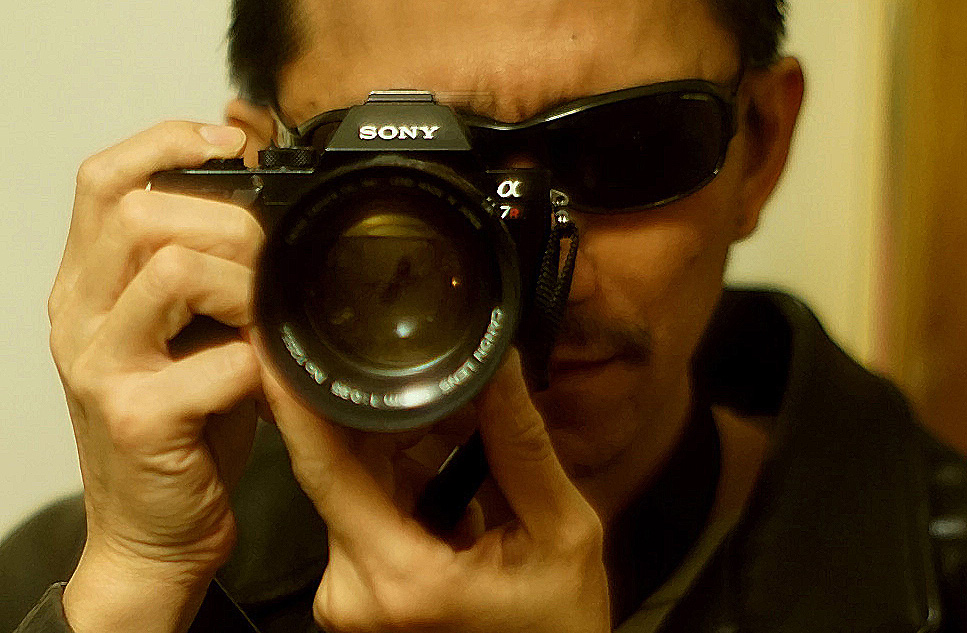
“The Dream” 2015. The Sony A7R, when introduced in 2013, represented the pinnacle in digital camera technology. Seen here with the Canon 50mm f/0.95, it is a “Dream” combo for me. I played around with some “Pop Art” type settings for this shot πŸ™‚

The Sony A7R is a 36.4 megapixel mirrorless digital camera introduced (along with the 24mp A7) by Sony in 2013.

Now think about it…a mirrorless camera with a whopping 36.4 megapixels on a full-frame sensor. You might call the A7R an instant Camera Legend!

Note: With the exception of the first two photos, I have included some larger than usual photos especially for this camera. You may have to double click on the photos to see them at their intended sizes.

FIRST IMPRESSIONS

While the camera looks like a miniature DSLR, it is indeed NOT a single lens reflex. Instead, it is a mirrorless camera that does not rely on a reflex mirror as in traditional SLR cameras.

You have the option of using the back LCD, as in all digital cameras, or the built-in electronic viewfinder (EVF). The EVF has a resolution of 2.4 megapixels and is one of the best I’ve ever seen.

The camera is small, but feels good in the hand. Solid, light but with a nice heft to it. The right hand grip feels comfy and secure to me, but might not for someone with larger hands.

When I first handled the camera at the PhotoPlus show in NYC in 2013, my impression wasΒ that the camera looked and felt a lot like my Olympus OM-D EM-5, only stronger and not as light as the OM-D. I would say it is like the EM-5 ‘grown up’ πŸ™‚

ZLipsC

“Pucker Up” 2014. Sony A7R, Voightlander 35mm f/1.2 Nokton Aspherical, first version. Lipstick, ear-rings, kids jewelry…growing up way too fast! πŸ™‚

It is not the prettiest camera in the world, but not the ugliest either. It feels like a ‘machine’ or a computer with a camera that Sony put together, in essence that’s what it is, but I kinda like that. And this machine is made for image making.Β It is not here to win any beauty contests, it is here to work. And it is an excellent worker.

CONTROLS AND FEATURES

The controls are well laid out with the mode dial, on/off dial, and exposure compensation wheel at the top. The inclusion of the “Fn” or function button on the back makes it easier to access key features such as ISO, drive mode, flash, focus, etc, etc. This is certainly a lot better than some of the lower end NEX cameras I have used where you have to use the scrolling virtual menu to access these features.

The menus are typical Sony and any NEX user will be familiar with most of it. You can customize this camera to do a lot of things, but I suggest you read the manual to have it do what you want.

As mentioned earlier, the EVF is wonderful, amazing really. I was always an old-school optical viewfinder guy, but the EVF on the A7R hasΒ won me over. Combined with the focus peaking, I have been able to get sharp shots in situations where it would almost be impossible. It’s that good.

There’s a lot more features to this camera than I care to write about. All I can say is that you can do almost anything you want with it πŸ™‚

AUTOFOCUS

I can’t say much about the AF because I have mainly used manual legacy glass, i.e., Leica M, Olympus OM, Nikkors, etc, with this camera.

I did use a kit lens from the cheap Sony A3000 on the A7R and it focused fast and sure. Note that if using AF lenses from the APS-C NEX series, the A7R automatically switches to its 1.5x crop mode at a still respectable 15.4 megapixel resolution.

The two AF primes most users rave about when using the A7R/A7 series are the Sony made Zeiss 35mm f/2.8 FE and the Zeiss 55mm f/1.8 FE Sonnar lenses. I have yet to really desire these, due to the lack of funds, and my simply having no problems getting sharp shots with my legacy glass. One day I hope to get around to one of these fine AF Zeiss lenses, and the 55mm f/1.8 is the one I’d get first.

MANUAL FOCUS

As mentioned, I have been using the A7R almost exclusively with legacy glass. This is the best camera I have used for this purpose.

I set the focus peaking to red, mid level, and just focus away. Focus peaking allows for the camera to highlight (in red, yellow, or white) the edges of your subject when the camera determines that you’re in the focus zone. Sometimes, you may have situations where you can’t really get a good ‘peaking’ but the EVF is clear enough where I can make the focus most of the time.

DSC00383RPC

“Twilight” 2014. Sony A7R, Canon 50mm f/0.95 “Dream Lens” at wide open, ISO 800. Please click on the photo for a much larger and better view.

Focus peaking is easy to use and aΒ veryΒ effective tool for using manual focus lenses on your camera. As mentioned earlier, the implementation on the A7R is one of the best I have used. It makes you wonder how we took all those nice photos on film SLR’s all those years without it πŸ™‚

Don’t get me wrong. You’d probably still get a better hit rate with the autofocus 55mm f/1.5 FE, for example, but I’ll be darned if don’t tell you how pleasantly surprised I was to see how well I could focus my old lenses.

DO I NEED 36 MEGAPIXELS?

This is probably one of the main questions people have when deciding whether or not to buy the A7R. For some, it is the reason to stay away. For others, it’s reason enough to sway them to give in to their G.A.S. “Gear Acquisition Syndrome” πŸ™‚

I’ve been using this camera for almost a year, got it last May, 2014. Here’s my take on this…

Probably 99% of the time, 99% of us won’tΒ needΒ 36 megapixels. We get the A7R because we WANT it. There I said it πŸ™‚

Back in 2004 and 2005, when we had 5 megapixel and 8 megapixel cameras ruling the digital camera world, I obsessively printed up 13×19 and 20×30 prints from cameras like the Nikon D1X and Canon EOS 20D and the results looked great. Even a 13×19 from a 4mp D2H looked pretty awesome.

It may seem silly now, but you have to remember in 2004 and 2005, this digital stuff was still a relatively new game. With each increase in megapixels, we were ‘oohing’ and ‘ahhing’ and going bonkers with the latest and greatest. Today, 20+ megapixels don’t even make eyes blink anymore. Maybe some realized that after 10 megapixels, it was “good enough.”

So since printing billboards with an A7R is no problem, anything printed smaller will be a piece of cake for this camera.

Initially I did not intend to get the A7R, partially due to its price and partially because I didn’t need 36 megapixels for what I do. I do mostly street and portraits. I’ve done weddings and had a few shots published in a magazine, but professional photography is not my thing. Like many of you, photography is my passion and I prefer to keep it that way.

Anyway, I ended up with the A7R about half a year into its introduction because I was able to get one brand new through a friend for $500 less than the store prices. I can’t resist a bargain, so the savings were enough to push me over. Of course, I had to get rid of some cherished items to come up with the cash πŸ™‚

Besides saving $500,Β I thought the A7R would be the ultimate solution for my legacy lenses. And indeed, the A7R has really turned out to be that camera.

Here’s the best excuse you need for wanting those 36.4 megapixels: If you come across that once in a lifetime shot, and assuming you actuallyΒ getΒ the shot, you will have the peace of mind in knowing you took it with your best camera. Simple as that. If in that dream world, MOMA wanted an exhibition print of your shot, they can have it with the A7R, again assuming you got the shot. Worst case (and more likely for me) scenario, you have some beautiful large prints in your home πŸ™‚

DSC00266A7RTrees1C

“Quadpods” 2014. Sony A7R, Canon FD 55mm f/1.2 Aspherical, ISO 100. Check the image below for a 100% crop of this image.

DSC00266A7RTrees2

A 100% crop of the image above. The A7R provided excellent resolution with the classic Canon FD 55mm f/1.2 Aspherical lens, but also reveals some chromatic aberration from this classic aspherical lens as well. You’d probably never spot it on prints up to 13×19 and even if you did, would it be a problem? πŸ™‚

PERFORMANCE

The A7R has really impressed me with its results. When the Nikon D800/D800E came out in 2012, I read so many things about how 36 megapixels would require “super” photo techniques, tripods, the best lenses or otherwise you’d end up with blurry useless shots. Ten years ago, they said the same thing about ten megapixels so I took that with a grain of salt.

While it is true that if you used those “super” photo techniques, you could get the best out of the A7R, it is NOT necessary to get consistent sharp results out of the A7R. They may not always be “tack” sharp, but unless you’re shooting landscape exhibits or advertising campaigns, it should be sharp enough.

I do a lot of night and low light shots. I’ve always kept the camera in Auto ISO and it’s one of the few cameras that really does the job at this setting. I only adjust manual ISO if I specifically want ISO 100-400 or anything above ISO 800. With fast lenses and in low light, the A7R tended to choose the lowest ISO values it could get away with, thus providing better quality images with these lenses.

DSC00502StompC

“STOMP” 2015. Sony A7R, Voigtlander 35mm f/1.2 Nokton Aspherical, first version at ISO 320. I actually shot this out of a moving car, pre-focused and a little off on the focus plus car movement, but I still like it. Driving by shooting can yield interesting results, but I do not endorse it πŸ™‚

I generally turn off the noise reduction on my cameras, but with the A7R I keep the noise reduction at its “Normal” default and it does a nice job with ISO’s as high as 6400 providing a good balance between detail and noise. I only use RAW on this camera if there is difficult lighting or if I have the camera on a tripod. Otherwise, the “Fine” or “Extra Fine” jpegs are good enough for me.

DSC00479CILobsterBoxC

“Lobster Box” 2015. Sony A7R, Canon 50mm f/0.95, ISO 100. As mentioned in the article, the Sony A7R in Auto ISO mode chooses the lowest ISO values possible with fast lenses in low light to provide better image quality.

DSC00490ZoeC

“Flying High” 2015. Sony A7R, Voigtlander 35mm f/1.2 Nokton Aspherical, first version at ISO 100. First day out in the park and swinging higher than I’d ever seen πŸ™‚

Many of my legacy lenses cannot out resolve the A7R sensor. Even many modern lenses cannot out resolve the 36mp sensor. However, don’t let that dissuade you. Even my vintage Canon “Dream Lens” 50mm f/0.95, a lens known for its soft ‘dreamy’ quality wide open, is surprisingly nearly as sharp as a modern 50mm when stopped down to f/5.6 or so.

DSC00380ZoeDreamLensC

“Bundle Up” 2014. Sony A7R, Canon 50mm f/0.95 “Dream Lens” at ISO 1000. Shot at around f/1.4 and processed to minimize the well known aberrations that have endeared this lens to its owners. Please click on the photo for a much larger and better view.

DSC00354A7RZoe1ZC

“Autumn Leaves” 2014. Sony A7R, Canon 50mm f/0.95. Please click on the photo to see the details of the 100% crop inset. The crop is from the zipper of the jacket on Baby Z’s left side. At first it might seem ‘standard’ fare for a 50mm lens until you realize this is the Canon “Dream Lens” often thought of as soft. As you can see, it kept up amazing well with the A7R’s 36.4 megapixel sensor, better than I thought!

Just because you’re not using all those 36.4 megapixels doesn’t mean its wasted. You still get the benefit of being able to crop small sections of the files and still get usable pictures. And of course, you can print larger.

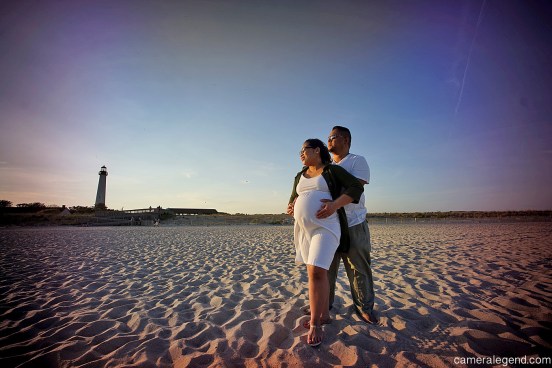
Wide lenses, such as my Voigtlander 15mm f/4.5 Heliar, do not work well on the A7R resulting in vignetting and color cast around the edges and blotchy spots. You could probably use correction software to fix these issues, although I haven’t tried.

The A7R sensor (same Sony sensor as in the Nikon D800/D800e) is also well known for its superb dynamic range. I can pull out great shadow detail in underexposed images and rarely ever get blown highlights with this camera.
DSC00107BabyJP1C

“Lifehouse” 2014. Sony A7R, Voigtlander 15mm f/4.5 Heliar M mount, ISO 100. Note the vignetting and color cast around the edges. Please click on the photo for a much larger and better view. Not pretty (except the couple, of course!), but it can be corrected to some degree with software. Or you can be happy and look at those issues as a “Natural Instagram” πŸ™‚

BJPC

“Baby Beach” 2014. Sony A7R, Canon 50mm f/0.95 at wide open, ISO 100.

For the A7R, I generally stay in the 28mm range for wide angle where it works just fine.

The camera also does 1080P Full HD video though as mentioned in other articles, I’m not a video guy. My home videos from the A7R look nice though πŸ™‚

BOTTOM LINE

I love this camera! It’s as simple as that. It has become my go to camera if I think I’m going to be shooting something worthwhile. It’s fantastic at low ISO’s and excellent at high ISO settings.

If I were doing it all over again today, for the same money, I’d probably get the A7II with its 5 axis stabilizer, but I haven’t really needed image stabilization because I equalize the A7R’s lack of IS by using fast lenses.

If shopping for the A7R, the price for new as of today (B&H) is $1898, and I’ve seen them sell used for as low as $1200 which is a screamin’ deal.

The A7R is a wonderful and very versatile camera, capable of opening up a whole new world of photographic fun and exploration for you. As mentioned earlier, the Sony A7R became an instant Camera Legend the moment it was introduced.

DSC00478ZayC

“A New Zay” 2015. Sony A7R, Canon 50mm f/0.95 “Dream Lens.” It is indeed a new day with Baby Zay and the Sony A7R in the house! πŸ™‚

Is it the “Ultimate?” Well, let’s say it didn’t stop me from wanting other cameras. It did however fill me with the thought that I didn’tΒ needΒ other cameras, I just want them because I love cameras! Anyway, this is not a camera I would use for events where fast AF and rapid fire is needed. It is kind of overkill for street work, which is what I love. However, at its best you can’t deny the image quality of the Sony A7R. It is among the best, and it is a Camera Legend standing high above its mirrorless peers.

Sony A7R

PROS:Β 36.4 Megapixels (you want it!); Possible Medium Format look in 35mm digital package; Superb EVF; Superb dynamic range; Excellent focus peaking for manual lenses; No AA filter for potentially sharper images; Lightweight, but sturdy; Great colors; Usable high ISO performance; Makes fantastic large prints

CONS:Β 36.4 Megapixels (you don’t really need it); The need for bigger memory cards, more processing power from your computer; Color cast and other issues with wide angle manual focus lenses; No AA filter, potential moire; Limited AF lens lineup;Β Battery life; Feels like it might be a bit fragile for long term durability, only time will tell I guess.

My first choice if buying an A7R today would be to check the competitive prices at Amazon through their affiliates. You can find some very competitive prices from the link below. I’d also recommend Adorama and B&H, never had a problem with either of these camera super stores. Buying from these dealers through these links helps to support this blog and helps me add to its content. It will cost you nothing and you’d be buying from the very best dealers. Thanks for your time reading this article and thanks for your support.

Amazon’s list of competitive stores selling the Sony A7R.


The Nikon V1

The V1 is a 10.1mp mirrorless camera introduced by Nikon Corporation in 2011 as part of their new mirrorless “CX” format.

DSC_0258V1SamCam

Nikon V1 with the 18.5mm f/1.8 ‘normal’ lens.

No doubt this was an attempt by Nikon to give their loyal customers a mirrorless system to answer the challenges of the rising popularity of mirrorless cameras, fueled primarily by Olympus, Panasonic, and Sony.

The V1, J1, and subsequent models while initially “trashed” by critics for having a sensor even smaller than micro 4/3’s, have now achieved a cult-like following from those who have used the cameras.

The cameras and lenses have been praised for their “film-like” color and rendering, as well as very fast AF, which was not a hallmark of mirrorless systems until the past couple of years.

DSC_0152Pumpkins

A straight out of camera shot from the V1 and 18.5mm f/1.8 Nikkor showing rich colors and details.

I enjoy using the V1 as a quick go-to camera that I can rely upon. It will not replace the image quality of a full-frame DSLR, but it does have a certain ‘look’ that I like.

It does have a kind of “film-like” look to the images that a lot of people say, which I think comes from the ‘grain’ or ‘noise’ like a 35mm scan, and the camera produces very nice colors. Sometimes, especially in indoor or low light shots, the camera will produce an almost cartoonish look, almost like using a high pass filter in Photoshop. This doesn’t happen all the time, so don’t worry about it. Just an observation.

DSC_0256ZZPicI

“Z Sisters” 2015. Nikon V1, 18.5mm f/1.8, ISO 3200. Out of camera JPEG showing a slight “cartoony” look. Or perhaps it is the subjects πŸ™‚

The build feels good in the hands, apparently the camera has some magnesium alloy parts to give it strength while keeping the weight down.

The camera can slip out of hand very easily and I would recommend the accessory grip, either from Nikon or one of the third party manufacturers.

The controls are well laid out and the menu will be familiar to Nikon digital users. One ‘flaw’ I see is that the mode dial/wheel moves out of place easily. It could move from camera mode to video mode just from taking it out of your camera bag, as has happened to me, so you want to keep an eye on that.

I have used three native lenses with the V1. The 10-30mm f/3.5-5.6 VR, the 10mm f/2.8 Pancake, and the 18.5mm f/1.8 ‘normal’ lens. These lenses translate to around 27-81mm for the zoom, 27mm for the pancake, and 50mm for the 18.5mm lens. There is an awesome 32mm f/1.2 that is equivalent to an 86mm short telephoto. This lens I have not tried, but the photos that I have seen look awesome. Unfortunately, it’s a pricey lens (almost $900) and that’s more than I’d want to spend for this system.

All the three lenses I have used are excellent performers. However, if you are a bokeh fan, short of that $900 32mm f/1.2, the well priced 18.5mm f/1.8 (At or below $200Β USD) is the only one capable of giving you decent bokeh on your 1 System camera.

I have also used “alternative” lenses on it such as the 42mm f/1.2 Olympus Pen lens, and CCTV lenses and have had mixed results. Critical focus is a little harder with these lenses due to the V1’s 2.7x crop factor and the lack of focus peaking. The camera does offer image magnification though that is limited in its usefulness for me. Nikon does offer their own adapter called the FT-1 for using Nikkor lenses while maintaining AF. Though curious, I have not gotten one simply because most of my Nikkors are manual focus, and my AF Nikkors will simply become telephotos on the V1’s small sensor.

DSC_0095ZoeCL

“Lost In Leaves” 2012. Nikon V1 with the Olympus Pen 42mm f/1.2 legacy lens. As mentioned in the article, manual focus is not exactly easy or fun with the V1, but it can be done.

The V1 can also do Full HD 1080p video. My home videos look good, but honestly I have not played with the video that much. I’m not really a video guy, though I was really into video about 10 years ago. I was also into laserdiscs, minidiscs, Mini DV, etc…ten years too early before the really good stuff came out! πŸ™‚

But back to the V1, I would recommend this camera as a good family camera or second or third camera. It also makes a very nice street camera as there is ample depth of field from the small sensor so most of your images in daylight should be sharp. Because of the 2.7x crop factor, a lot of nature/animal photographers have taken to it as well. This is a pretty versatile and underestimated system.

Though it won’t replace the image quality from a full-frame sensor, there are many things you can do with the 1 System cameras. Family snaps, street, vacation camera, nature/telephoto work all can be handled well. And their small sizes will ensure that you’d more likely bring the camera along as opposed to your 35mm full-frame system.

The V1 was introduced with the J1, which is virtually the same camera without the EVF, but has the one advantage of having a built-in flash. I have not even touched upon the latest generation, which I think is up to the V3 now.

dsc_0155vzoefa

My favorite aspect of the Nikon V1 is the ability to produce really rich, ‘delcious’ colors straight out of camera. While it might be a bit saturated as opposed to real life, I like the look.

DSC_0109ZoeMom

“V1 Love” 2015. Nikon V1, 18.5mm f/1.8 lens. Excellent sharpness and details out of this combo. The V1 is small, affordable, and capable. What’s not to love? πŸ™‚

DSC_0190ZaydaC

“Baby Fresh” 2015. Nikon V1, 10-30mm f/3.5-5.6 VR. ISO 3200 I believe. Out of camera jpeg. Note excellent sharpness, but plenty of color noise. The price you pay for a small camera with a small sensor. I don’t mind it, especially for family snaps, but some might find it objectionable.

Whether the V1 will remain a viable part of the Nikon system or a technical ‘blip’ in ten years remains to be seen. However for the cult of Nikon 1 users, all these cameras, and the V1 being the first flagship of the system is destined to become a Camera Legend.

Right now the best selection V1 cameras can be found on AMAZON.Β They’ve also got good deals on the 18.5mm Nikkor right now. Everyone and their mothers buy from Amazon and you can never go wrong with them. Even when I’m not buying cameras from them, I end up buying adapters and SD cards at great prices. Even if you’re not buying cameras, lenses, or cards, if you buy anything from Amazon and click on the link above it will help me continue building the contents of this site for you. Many thanks.

Nikon V1

PROS:Β Good to excellent image quality; Small, light, easy to carry around; good EVF; Fast AF; Rich colors

CONS:Β Limited lens selection; 2.7x crop factor turns most manual lenses into telephotos; image noise at high ISOs; mode dial moves out of place easily; not easy to create bokeh with small sensor

Classic Cameras: The Nikon SP

The Nikon SP is a fantastic shooter and a Camera Legend.


The Nikon SP is a classic rangefinder camera, introduced in 1957. It is the apexΒ of all Nikon rangefinders. Actually, the black Nikon SP 2005, a reissued limited edition of the SP would probably be considered the Holy Holy Grail! I recently saw the SP 2005 camera and 35mm f/1.8 kit come up for sale at KEH for $3799. Unfortunately, I don’t have that kind of cash. Needless to say, it sold quickly.

imgNikonSPMomZoe015PS

“Dreamtime” 2014. Nikon SP, 35mm f/1.8 W-Nikkor, Holga 400 film. It’s New Year’s Eve 2014, and ho! Looks like Grandma the babysitter is falling asleep πŸ™‚

I used a Nikon S2 rangefinder with the 50mm f/1.4 Nikkor S mount lens a few years back and loved it, which led me on a chase for the SP. And the lens I wanted was the 3.5cm (35mm) f/1.8 W-Nikkor, which is probably the one most Nikon S users want. It took me a couple of years, but I was able to get the camera and lens separately for under a $1000. You gotta have patience! πŸ™‚

NikonSPAmericanaFA

“Slices Of America” 2015. Nikon SP, 35mm f/1.8 W-Nikkor, Holga 400 film.

The SP is Nikon’s first professional grade camera. That alone gives it a lot of historical significance. It is the camera that precedes the pro Nikon F single lens reflex. In fact, if you look at the top plate, the SP is basically a Nikon F in rangefinder form. Shutter speeds are up to 1/1000 plus B and T. The Nikon S mount lenses and the Nikon F lenses are NOT compatible.

The SP as compared to a Leica M is a little more fidgety in use. The lenses and lens mount need to be aligned a certain way for the lenses to be attached. The focus wheel is cool, but is much slower in actual use. Fortunately, you can focus lenses the old fashioned way by using your hands on the lens.

The shutter is smooth and the build is solid, as you’d expect from a Nikon and I have been able to get sharp shots with speeds as low as 1/30th in low light on ISO 400 film.

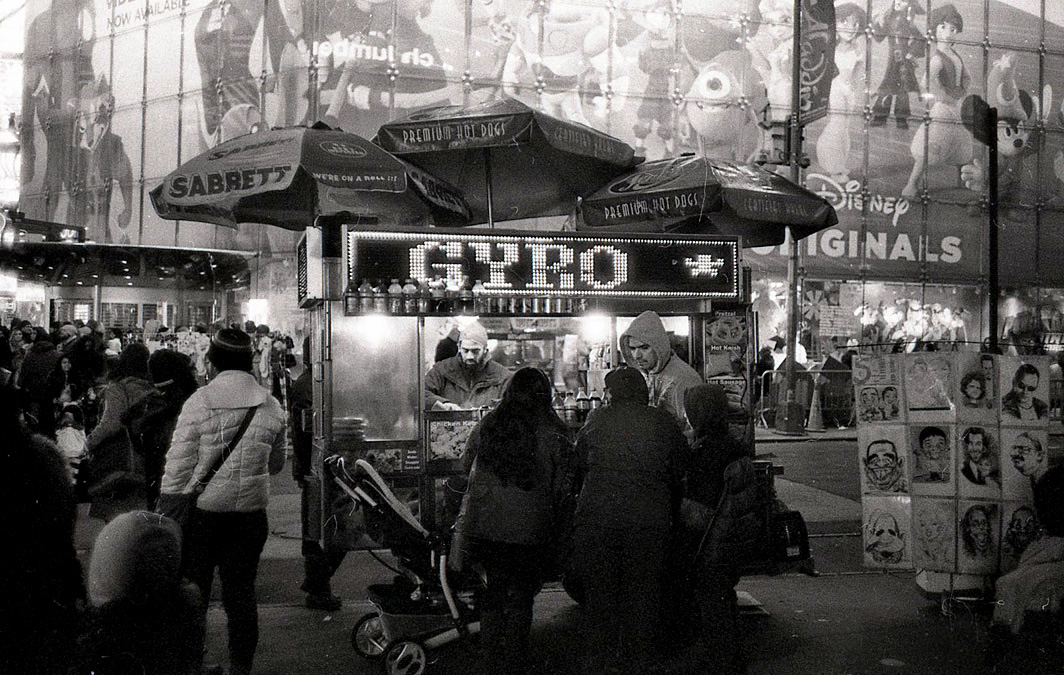
NikonSPGyroPSI

“Gyro” 2015. Nikon SP, 35mm f/1.8 Nikkor, Holga 400 film.

NikonSPJan19Papaya

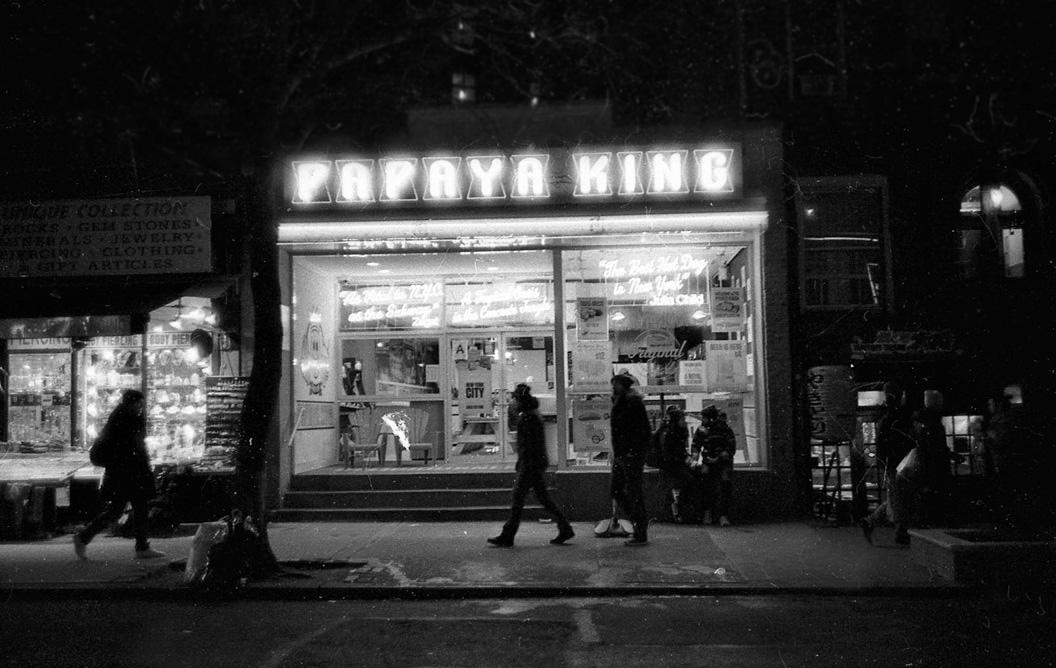
“Papaya King” 2015. Nikon SP, 35mm f/1.8 W-Nikkor, Holga 400 film.

If looking for an SP, prices are trending from $600 (plain jane chrome body only) to almost $4000 for rare editions such as the SP 2005 with the 35mm f/1.8 Nikkor.

Despite its quirks, especially when compared to the smoothness of a Leica M, the Nikon SP is one of my favorite rangefinders to use. When paired with the awesome 35mm f/1.8 W-Nikkor lens, it is a street shooters dream for film.

NikonSPCPS

“New Years Lady” 2015. Nikon SP, 35mm f/1.8 W-Nikkor, Holga 400 film.

The Nikon SP is a Camera Legend and definitely worth your time to seek one out. I haven’t shot much film in the last few months, but I noticed the last three rolls of film I shot were all on the Nikon SP. For me, that says it all.

NikonSPSam026FA

“The Crazy Duck” 2015. Nikon SP, 35mm f/1.8 W-Nikkor, Holga 400 film.

Note: The Holga 400 film was not my first choice for this camera. I had shot the first couple of rolls on Ilford XP2 (chromogenic), but just as I was done, my local C41 developer stopped developing color film! I had a roll of Holga 400 black and white film and decided to try it out. I think it’s a good film, but developed in D76, it was a bit too grainy for me. Don’t get me wrong, I love “grainy” but with the SP and 35mm f/1.8 I wanted a film that would get more out of the combo. I think the Holga film would be perfect where it belongs…in a Holga camera πŸ™‚