The Instagram Society And The Age Of The Ugly

Did you take a perfectly good photo or even a bad photo and “funk it up” using one of those cool Instagram filters? Come on, admit it…Yes, we’ve all done it! ๐Ÿ™‚

In the past few years, there has been a resurgence of what I’d like to call “ugly” photographs. No disrespect intended to any one photographer, I myself have posted many “ugly” photos!

DianaCam1

The Diana F+ “Toy Camera” by Lomography. Worn out and missing its plastic lens.

So what do I mean by “ugly” photos? Well, I’m talking about photos that are blurry, have lots of digital grain or noise, vignetting, fake scratches, funky colors, HDR, and a myriad of other things that try to accentuate the actual photograph.

When I started taking an interest in photography in the early 80’s, we’d always send out our film for developing and prints. The “good” photos were sharp, clear, and well exposed. The “ugly” photos were blurred, under/over exposed, and the colors were funky. The ugly photos were relegated to the trash bin, or for me, the bottom of the stack since I never throw away photos.
MinoltaJoeDadC

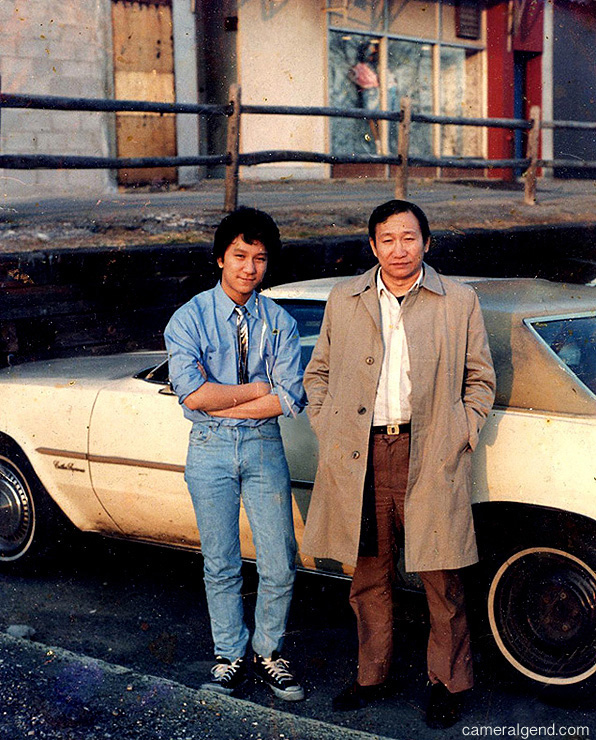
“Family Classic 1985” Minolta X-700, 50mm f/1.7 MD lens. What a “real” vintage print from nearly thirty years ago looks like. Dirty, scratchy, colors getting funky, but wonderfully nostalgic…to me anyway ๐Ÿ™‚

In the film days, I don’t remember many people looking at a blurry print with wonky colors and thinking it was beautiful. Yes, you had the occasional odd print that was technically horrible, but looked pleasing to the eyes. However, there weren’t many of them.

Today though, people relish in these things! Why? Well, I’m sure a lot of it has to do with today’s Instagram society. Of course, Instagram provided an easy way to “funk up” your photos by making them look old, faded, blurred, etc, etc, basically all the stuff I listed above.

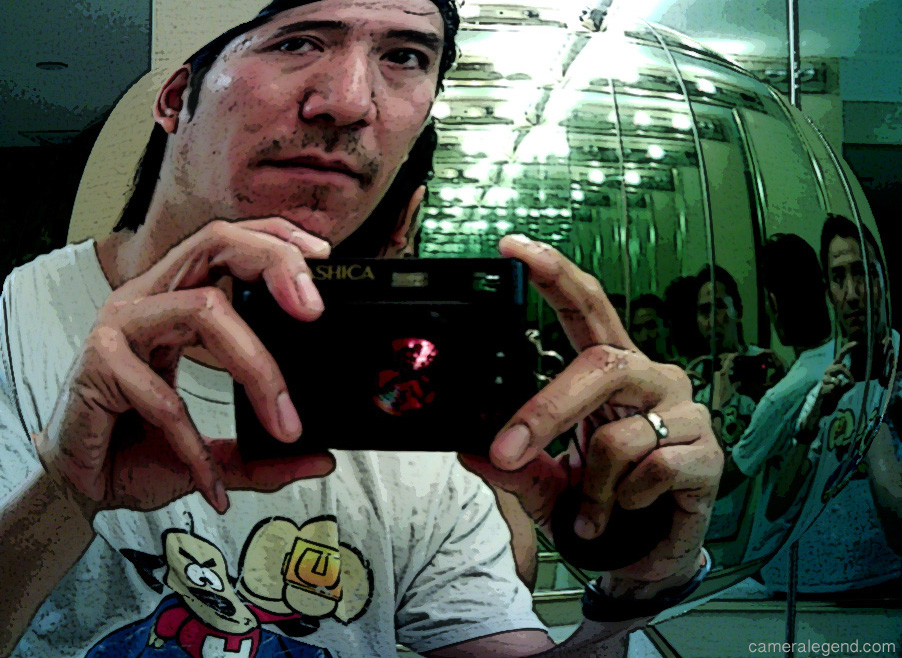
YashicaC

The Yashica EZ F521 “Digital Holga” Toy Camera.

The main reason I believe for today’s interest in “ugly” photos and probably one of the reasons why Instagram and “Instagram-like” filters are so popular these days is simply due to one fact…

As digital cameras get better and better, the images look cleaner and cleaner. They look “perfect” at times, and as such the images begin to look homogenized, pasteurized, and sterilized. A technically perfect image begins to look bland because of how clean it is.

YashicaHydrant

“The Hydrant” Yashica EZ F521. A perfectly bland, unremarkable image from the Yashica digital toy camera. Something that could only be appreciated by the “Age Of The Ugly” society ๐Ÿ™‚

And with so many people into photography these days, some try to stay above the crowd by using these filters or techniques that will give that extra “oomph” to their images.

There’s also a bit of nostalgia for that film-like look. Many youngsters today are actually shooting film. Some actually love it, and some are hipsters riding on what they believe is retro cool. I suspect most are in between.

I ran into a teenager recently in Central Park shooting with a Polaroid One Step, and I thought “Dude, seriously?!” ๐Ÿ™‚

Anyway, I was happy to see such a young person with a Polaroid, it can only be a good thing.

SX

The iconic Polaroid SX-70. Apologies for the poor quality of this photo. It was a quickie done for my Instagram stream.

Speaking of Polaroids, this is probably where it all began. Let’s face it, Polaroids were never about high technical quality. They were originally intended for quick prints and proofs. The resolution was never really high on small Polaroid prints, except for some of the oldest instant films which have not been made in years.

The Polaroid’s best distinction was the ability to give a unique “look” due to the soft prints, the unpredictable color shifts, and the best of user error. And each and every Polaroid instant print is unique because each print represents that very moment the shot was taken.

SpeedGraphicCam

“Speed Graphic” 2011. A Polaroid print, shot with the Polaroid SX-70 and Impossible instant color film.

The most ironic thing to all of this “ugliness?” Well, since I started shooting film in the 80’s I have seen 35mm film improve year after year with super-sharp films like Fuji Velvia, Kodak Ektar, and a few others. Then you needed to step up to medium format to get even better, sharper images with even less noise. And then, if you wanted to take it further, you had large format film with its superior sharpness, detail, resolution and lack of grain.

All of a sudden, digital photography comes of age in the late 90’s and early 2000’s. The cameras and lenses got progressively better and sharper. The images had less and less digital noise, distortion, and we get to cameras and lenses that can take near perfect images in almost any situation, which is where we are at today.

So as a “backlash” to all this progress, we are back to wanting “ugly” ๐Ÿ™‚

SamC

“Underdog” 2011. Shot with the Yashica EZ F521 “Digital Holga.” Toy cameras with all their “ugliness” can be lots of fun to use and can produce unique images.

Is this a good thing or a bad thing? It can be neither or both. It can be a good thing for creativity, for something different. However, it can be a bad thing because it gives everyone a perfectly good excuse to be a sloppy photographer.

Again, I’m not knocking anybody, but trying to understand the evolution of what I’m seeing in photography today. I’m guilty as sin of posting many, many ugly photos! Personally, if an “ugly” photo is done well, it can be a beautiful thing. Some people do it really well. I am not one of them though, but I try ๐Ÿ™‚

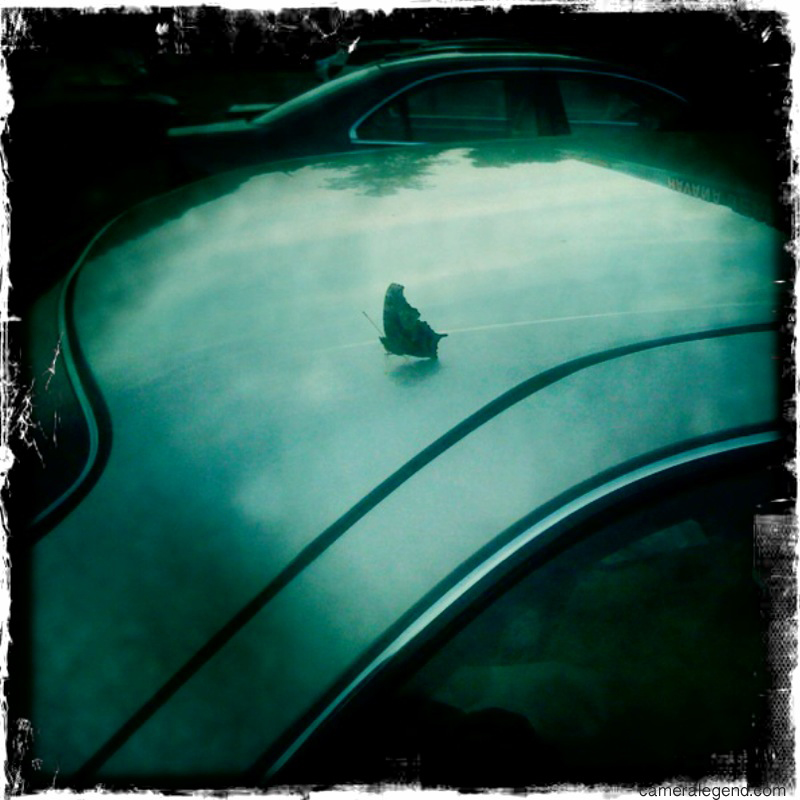
Butterfly

“GPS” 2010. Shot with the original 2mp iPhone and Hipstamatic.

But to understand why people would throw all this photographic and technical progress away and funk up their photos with beautiful ugliness, there is no answer. All I can think of is that line of the Michael Jackson song…”If they say why, why? Tell ’em that it’s human nature” ๐Ÿ™‚

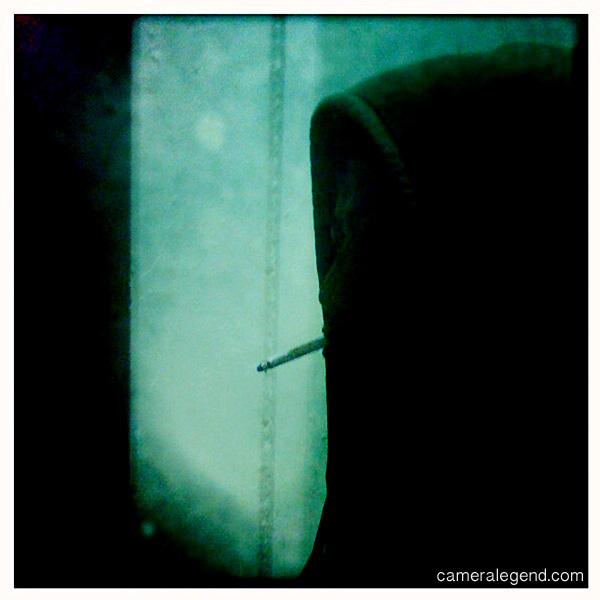
GinSmok1

“Smoke Daddy” 2011. Shot with the original 2mp iPhone and Hipstamatic.

SXCam

“SX” 2011. Shot with the original 2mp iPhone and Hipstamatic.

Note: This is just one man’s view and commentary. I do realize that art is highly subjective. In fact, I used to say myself, “One man’s art is another man’s junk.” ๐Ÿ™‚

However, this is about photography more so than art and when “art” begins taking over your photographs, then you’ve got something different from photography. Thanks for stopping by! I do appreciate the time you spent. Thank you.
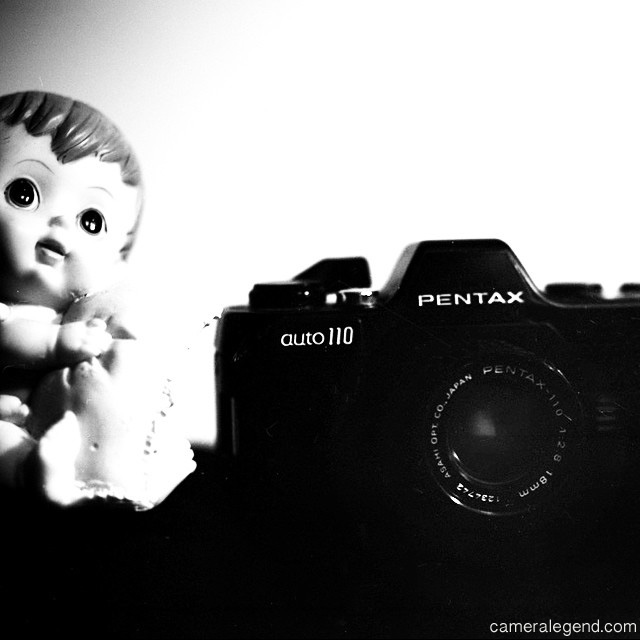
The Pentax Auto 110

Pentax110C

Pentax Auto 110 and Pentax 18mm f/2.8 for the Pentax System 10.

The Pentax Auto 110, introduced in 1978, is a truly iconic “little” camera. Part of the Pentax 10 system, including the Pentax Auto 110 Super, they were among the smallest interchangeable lens SLR’s ever made.

I still have memories of my Mom’s first camera which was a long, odd looking Kodak 110 camera.

Believe it or not, you can still get 110 film these days from companies like Lomography. Developing the film however, is another story! You’ll probably have to send it out to various online vendors who can develop the film for you.

As a young boy, I was fascinated by the ads I saw for the Auto 110 in the old photography magazines. When I finally saw it in real life, I could not believe it was a real camera!

There were 5 prime lenses, the 18mm f/2.8, the 24mm f/2.8, the 50mm f/2.8, the 18mm “Pan Focus,” the 70mm f/2.8 telephoto and one zoom, the 20-40mm f/2.8. Just like today’s micro 4/3’s or other small sensor interchangeable lens cameras, you have to convert the lenses to their 35mm counterparts to get the true focal length. For example, the 18mm lens would actually be a 35mm in focal length if it were a full-frame 35mm slr.

Because 110 film is pretty much dead or at best, a novelty today, you can get the Pentax Auto 110 and a few lenses pretty cheaply. Some of the lenses though, such as the 70mm f/2.8 or the 20-40mm zoom can be hard to find.

The Pentax 10 film series is no doubt the inspiration for the Pentax Q system of today and they remain a marvel of the amazing camera engineering of days gone by.

Note: Shot this a few years ago using a Speed Graphic 4×5 large format camera on Tri-X film.

Now why would anyone want to do this when you could just use your phone or digital point and shoot? I don’t know, I like to make life hard I guess ๐Ÿ™‚

No, actually I want an easy life, as easy as possible! However, the Speed Graphic 4×5, or any large format camera requires a lot of practice to master and I wasย practicing the craft, so to speak.

The 4mp Canon EOS-1D

Introduced in 2001, the 4.15 megapixel EOS-1D is a digital camera legend.

While they had collaborations with Kodak before with the EOS-D2000/Kodak DCS 520, the 1D wasย the first “all” Canon pro “1” series body that continues today with the currentย 18mp 1DX of 2011. Today, the 4mp 1D is also known on the web as the “1D Classic.”

1DSamCam

“Camera Nut” 2009. Canon EOS-1D, Leica 35mm f/1.4 Summilux-R

I got my first copy in 2004 and really loved the body and files from the 1D. I remember spending my time with the 1D trying to eek out as much quality as I could from those 4 megapixels! I shot, I printed large, I tried Genuine Fractals (anyone remember that program?).

1DMidiC

“Portrait Of Midi” 2007. Canon EOS-1D, EF 50mm f/1.8

As many 1D owners can attest, the camera is capable of producing very sharp files with really nice color, a combination of a great Panasonic sensor, and what I like to call “PHAT” pixels from the lower resolution.

AdidasC

“My Adidas” 2004. Canon EOS-1D.

The 1D was a hit with sports photographers and photojournalists, as well as enthusiasts like myself and many others. The camera could do 8 frames-per-second, though I never used it at that rate. Couldn’t stand to blow the shutter that fast, even if the camera could take it ๐Ÿ™‚

The 1D Classic is plentiful on the used market and they can be had in good condition for around $200 and up. Lower priced samples are usually in rough shape. Remember, a lot of these cameras were in professional hands and probably have high mileage although the 1D shutters have been documented to have gone well into the hundreds of thousands.

PartingShotC

“Tribute” 2004. Canon EOS-1D, EF 20-35mm f/3.5-4.5.

Other negatives include poor battery life, which can be remedied if you buy one of the newer aftermarket batteries. The color can also be off at times, most notably images will sometime take on a greenish cast, especially in jpegs. All this can be fixed with some work in post-processing. The camera is also a heavy, bulky beast!

The positives are fast and accurate AF, great sharpness, andย 4mp files that are a joy to work with, especially if you’re now used to 18-36mp files (Sony A7R, D800, etc, etc). And just the “feel” of the 1D series body will make you want to shoot it more, even if you don’t necessarily want to carry it around all day long.

In the 2014 world of 40+ megapixel cameras, it’s hard to imagine enjoying a 4 megapixel camera! However, I can tell you that the files from the 1D, when they’re good, they’re awesome. There is a reason why this camera has a cult like following.

The Canon EOS-1D Classic is indeed a digital classic and today, a great bargain entry into the wonderful world of the giant “1 Series” pro bodies from Canon. For the prices that they go for these days, the Canon EOS-1D Classic is a smokin’ deal for a Camera Legend!

ASmoke3C

“Smokin” 2004. From my “Portrait Of An Addict” series. Canon EOS-1D, Olympus Zuiko 50mm f/1.8

PROS:ย Superb build quality; Fast AF; Sharp files with the right lenses; Bargain prices in today’s world for a 1 Series Canon

CONS:ย Battery life; low resolution in today’s world; Greenish color cast, at times

Prices:ย As of today, trending at $75-300 depending on condition, accessories, and where you buy from.

Note: I’m sorry that I do not have full sized or larger images from the 1D to share. I lost most of my original files from this cameraย some years back.

Canon EOS D2000

CanonD2000C

From 1998, a true digital pioneer, the Canon EOS D2000 aka Kodak DCS520.

The Canon D2000 (and its Kodak DCS520 sibling),ย was one of the first digital slrs with the looks and design that resembled digital slrs of today. The camera featured a 2 megapixel, aps-c sensor, pretty “amazing” in those days.

Gone were the huge, cumbersome battery packs and wires of the early digital slrs, and in was a new “compact” design and a nice slim battery.

However, by today’s standards, pretty damned BULKY!

AddictSamC

“Portrait Of An Addict” 2004. Canon EOS D2000, EF 50mm f/1.8

So about ten years back in 2004, when I found a sample for under $300, I jumped on it. Unfortunately, after the initial ‘fun’ the limitations of this pioneering camera became apparent.

“Nam Prik” 2010. Canon EOS D2000, EF 50mm f/1.8, ISO 200.

The lcd was sub-par, and menu system seemed more antiquated than using a Commodore 64. Battery life was horrid, and I needed to do manual white balance every time I went from indoors to outdoors. However, the images could be quite sharp thanks to the removable AA filter.

Today, the camera is not worth much, and only desirable for collectable value more than anything else. Any modern dslr will beat it in image quality, if not in “fun” ๐Ÿ™‚

CP

“Portrait” 2004. Canon EOS D2000, EF 50mm f/1.8

Find this camera and more on my new and ever growing Instagram page: http://www.instagram.com/camera_legend

The Panasonic DMC-LC1/Leica Digilux 2

“Toe Curling Fun” ๐Ÿ™‚ Panasonic DMC-LC1, 2009. For a larger and better view, please click on the photo.

The Panasonic DMC-LC1, aka, the Leica Digilux 2ย was a 5mp point and shoot camera introduced in 2004 and featured a 28-90mm f/2-2.4 Leica Vario-Summicron lens.

I have fond memories of this camera. I remember lusting after it and getting one in 2005. I’ve never had more fun with a digital point and shoot than I did with this camera!

Now, I also had a Panasonic Lumix DMC-FZ20 before this and was not impressed with the “Leica” lens on it. It was sharp, but lacked any character.

The LC1 was different. The lens on this camera was phenomenally sharp. And it did have character. It had a Leica signature for sure.


Now being a small sensored point and shoot you’re not going to get any crazy bokeh with it. However, you CAN get some decent bokeh with the right technique/situation, but you also get resolution that looks better than you’d ever expect from five megapixels.

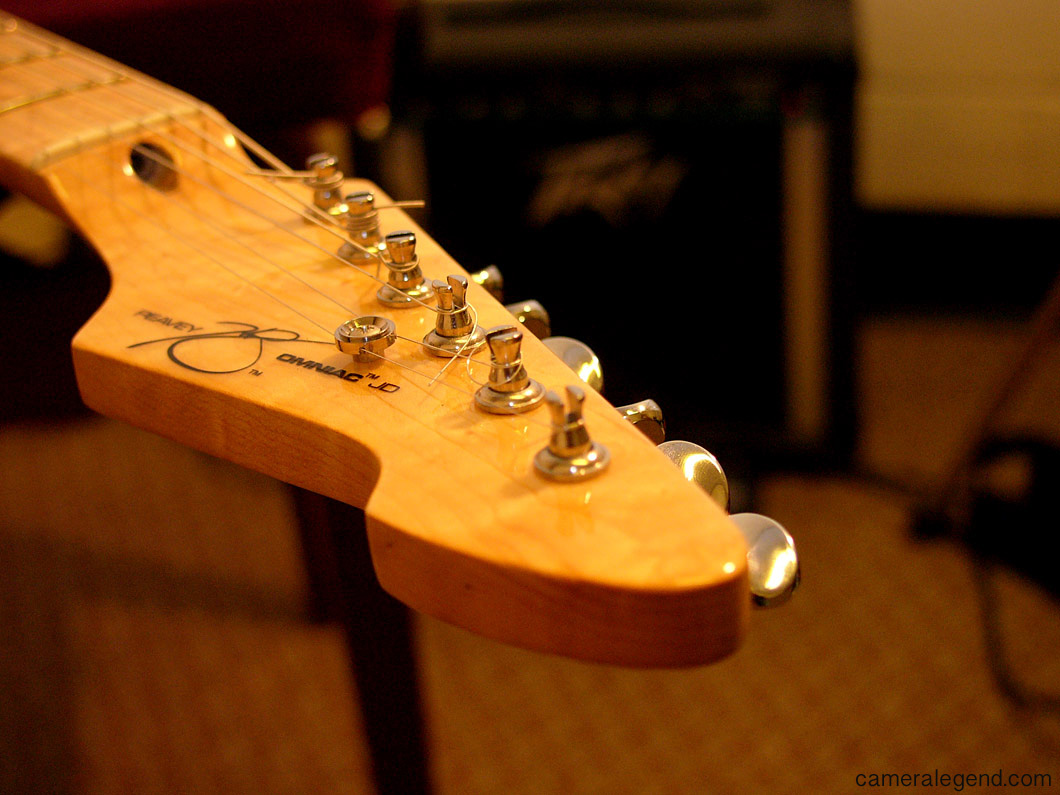
P1010149JDC

“JD Omniac” 2006. Panasonic DMC-LC1. As mentioned in the article, you CAN muster out some bokeh from the Panasonic LC1 if you shoot wide open and get in close. Please click on the photo for a larger and better view.

The build is also very good and it almost reminds me of the Fuji X-Pro 1 with a big lens on it. I absolutely loved this camera for street shots.

“Fine Arts, Ten Bucks” 2005, NYC. Panasonic DMC-LC1. He had some good stuff for ten bucks! I asked the man what his name was, he said “Call me Papi”…I said “Ok Papi” ๐Ÿ™‚

I am sure Panasonic built everything on this camera, including the lens, though it really seems like a Leica designed lens rather than just a Leica “badge” as on other Lumix cameras.

You can also get this camera under the Leica name as the Leica Digilux 2. The Digilux 2 comes in a silver/chrome finish. I much prefer the black body of the Panasonic version, it works much better for unobtrusive street work. The Leica is also more expensive, as expected. Ignore the “red dot” and get the Panasonic! Trust me on this one ๐Ÿ™‚

If buying one of these, be forewarned that many have had sensor failures, and you always have to be careful when buying older digital cameras, especially expensive ones.

That said, the Panasonic DMC-LC1/Leica Digilux 2 are cult classics and fantastic cameras that prove megapixels aren’t everything.

“Doc Spock” 2007. Panasonic DMC-LC1. Please click on the photo and check out the man’s face to see the outstanding resolution from this 5mp camera. You may have to double click it to see it properly.

Note 11/10/14: I have found the hard drive and some “lost photos” from the DMC-LC1 and have updated the post. The post is now current.

Note 11/4/14: I will be updating this post with more images from the LC1, but first I have to find the old hard drive which contains my images from this camera! It’s been a while since I’ve seen that old drive ๐Ÿ™‚

If you’re on Instagram say Hi!ย http://www.instagram.com/camera_legend

The Original Ricoh GR Digital: A Look Back

The Original 8.1mp Ricoh GR Digital Review

The Ricoh GR Digital was an 8.1 megapixel point and shoot camera released by Ricoh in 2005 in Japan.

In subsequent years, Ricoh released the GR Digital II, III, IV, and in 2013 they released their current 16mp GR with an APS-C sensor. Because of the similar naming scheme, the original GR Digital (aka “GRD” for short) is often confused with the current model when doing an internet search.

All the GR Digital cameras are the offspringsย of the GR1, a high end point and shoot film camera from 1996 that was made famous by the street work of legendary Japanese photographer Daido Moriyama who used the GR seriesย extensively.

10616595_10204097397667568_2295921593728941090_n

The original 8.1mp Ricoh GR Digital. My favorite point and shoot camera of all time.

Let’s be clear: I am only referring to the first version, which is the 8.1 megapixel GR Digital.

This camera is perhaps my favorite point and shoot of all time, film or digital. It is in its basic form, it is a small sensor point and shoot with a fast and sharp 28mm f/2.4 lens. But to cut to the chase, its powers lie in its ability to produce “film-like” black and white images with a grit and grain that some say is similar to a Kodak Tri-X look.

In color, it’s really quite unspectacular, especially at higher iso’s. In color, it’s almost like any other average everyday point and shoot. But in b&w, the camera shines.

GRDDreamscapeP

“Dreamscape” 2006. Ricoh GRD 8.1mp, ISO 64.

While nothing could ever emulate real film, the GRD produces black and white images that I really love. It’s gritty, it’s raw, it’s real.

I have used the new 16mp GR and I STILL prefer the original GRD for black and white work. I mainly used it for street photography, but have done portraits with it too.

GRRainyPba

“A Rainy Night In The City” 2007. Ricoh GRD 8.1mp, ISO 800.

GRDCP

“The Lady In Black” 2006. Ricoh GR Digital 8.1mp, ISO 200.

The original GRD, and indeed, the whole GR Digital series have a cult following that began with their film siblings. If looking for one of these, from what I can see, the GRDIII and GRDIV are most plentiful on the used market. The GRDII can also be found quite easily. They are all great, but lack the b&w charm of the original.

The original can still be found, but it is the oldest on the market and becoming scarce.ย It’s not so much that people are snapping them up, though that may also be the case.ย I actually think a lot of these cameras are no longer working or not working properly.

“Waiting For Food” 2014. Ricoh GR Digital 8.1mp. The menu looked good, but the wait at this Filipino restaurant on Roosevelt Ave in Queens, NY, took forever.

I’ve had two of them. The first one I got in 2006. I used it almost every day and wore it out. It developed a well-known problem where the “ADJ” or adjust toggle fails to work and freezes the camera. You need to open the battery compartment for a few seconds and close it to restart the camera.

The second one I got developed the same problem. I got around the problem by keeping the camera in b&w mode and keeping it at ISO 800 and not messing with anything else.

RepentPba

“Repent” 2008. Ricoh GRD 8.1mp, ISO 800.

Additional issues include dust on the sensor, and slow write times in RAW. I don’t know how it got in there, but I once had a large piece of fuzzy “something” on the sensor of my first GRD ๐Ÿ™‚

SlowPba

“The Slowest” 2007. Ricoh GR Digital 8.1mp, ISO 800. In a city of fast moving vehicles, I think I may have found the slowest ๐Ÿ™‚

Anyway, these are things to be aware of should you be looking for one of these. Remember these are quite old by digital standards, but if you get a good working one, you’ve got something special. Prices are trending at $80-200 USD so I wouldn’t pay any more than that.

The original Ricoh GR Digital is uniqueย and produces b&w digital files in-camera that I believe are still unmatched today. In my book, it’s a Camera Legend. If you find a good working copy, keep it!

Below are some additional images from the camera. Thanks for stopping by ๐Ÿ™‚

GREaglesElmhurst

“Eagles Over Elmhurst” 2008. Ricoh GR Digital 8.1mp, ISO 64.

138655983.oichjcMN.GRDonnyWife

“Grey Poupon” 2011. GR Digital 8.1mp, ISO 800.

PowerPlantPba

“Plant City” 2008. Ricoh GR Digital 8.1mp, ISO 100. Please click on photo for a larger and better view.

GRCartLadyPba1

“The Cart Lady” 2009. Ricoh GR Digital 8.1mp, ISO 800.

GRTreesUP

“Black Rain” 2007. Ricoh GR Digital 8.1mp, ISO 800.

GRFancyPot

“The Royal Flush” 2011. Ricoh GR Digital 8.1mp, ISO 800.


WHERE TO BUY?

This camera was introduced in 2006 so it is no longer available new. You may try the usual route, ie, eBay, KEH, Craigslist, B&H and I have also seen them onย Amazon while searching for Ricoh GRD as well as Adorama’s USED section.

ALTERNATIVES

While I don’t think many cameras can duplicate the b&w charm of the original GRD, you can get very good black and white images from any of the GRD’s predecessors. Of course, a Leica Monochrom if you have that kind of cash ๐Ÿ™‚

You may want to try the Nikon V series cameras, such as the Nikon V1 I reviewed, which does excellent film-like color images or the latest Canon G series cameras such as the G9X or the ultra-slim G5X camera, a very cool looking camera!

I was impressed with the b&w images using the Grainy B&W effect on the Canon EOS-M I reviewed HERE.

Good luck and have fun with whatever camera you get! ๐Ÿ™‚

The iPhone 8 Is A Great Street Camera!
***THE SONY A9 MIRRORLESS IS HERE!!!”

When Sony puts a “9” onto one of their cameras, it indicates that this is their TOP camera. Just when you thought the A7RII was their top dog, no friends, it is the A9. This camera has such a high burst rate that you may finally leave your top EOS or Nikon bodies behind for that once in a lifetime shot.

I hope to procure one for review, but chances are some of you readers will get one before I do. Our good friends HERE will be able to get the A9 as soon as it’s in stock as well as everything else you might want to go with the camera. It’s all in the link. Thanks for supporting Camera Legend!

***DEAL ALERT***

From time to time, our media affiliates will send us deals they have going on and since I do not want to burden you good people with advertisement, I decide whether or not to tell you about it. And believe me, the majority of the time I choose not to plug it, much the chagrinย of our media friends ๐Ÿ™‚

Just like you, I know no one likes it when you plug an ad or ask you to click a link, but you should know too writing and equipment reviews take a lot of time and cost money, most of which I spend on my own to give you the best info I can and I do this for free. No one ever sent me a piece of equipment to write about. But that’s ok, I love this thing, that’s why I do it and I can and will always remain objective.

If you buy anything through our links, I don’t get much, if at all, but every little bit adds to help this site grow. And it costs you nothing to do so. Especially if you’re planning to buy the stuff anyway, it’s a win-win.

Anyway, today we got some screaming deals!! Sometimes you get deals and sometimes you get duds. This is a real deal yes! Most of you will know that the Fuji X-T1 is an awesome and capable top end camera that produces amazing pics and it usually goes for $1299. For a limited time, you can now get it brand new for $799!! Ho! $500 off plus other savings through our partners. If you ever wanted to get the Fuji X-T1, this is it. Check out this and other Fuji Deals and if you do get one, drop back here and let me know how you liked it. I bet you’ll love it! Thank you very much, I appreciate your support.

Also a sale on the superb Zeiss Batis 135mm f/2.8 HERE

And instant rebates on the hot new Canon EOS 5D Mark IV.

The Most Important Camera Of The Past Ten Years

Please forgive the funky colors. It was intentionally done. This image was first posted on Instagram and I used one of their filters to put some "funk" to the image.

The Most Important Camera of the past ten years…The Canon EOS 5D Classic. Please forgive me for the funky colors, this was originally posted on Instagram using one of their popular filters.

For my first post here, I’d like to pay tribute to perhaps the most important andย influential camera of the past ten years. And inย my opinion, that camera would be…

The Canon EOS 5D, otherwise known today as the “5D Classic.”

I’m sure there are many people who would disagree with me, we all have our opinions. I will try to explain my reasoning for choosing the 5D Classic as the most important camera of the past ten years.

Three things. First, it was a “full-frame” DSLR. In 2005, there weren’t many of them and the ones that were there were ridiculously expensive. The top EOS 1Ds ran about $8000.

Please click on the image for a larger view.

“Birth” 2007. Canon EOS 5D Classic, EF 50mm f/1.8, ISO 500

The 5D was introduced at $3299. So with the 5D came an “enthusiast affordable” price. That’s the second reason. Before the 5D, it was like the “haves” and “have nots” as far as owning a full-frame DSLR.

If you could afford one, you were in the “elite” category. For everyone else, you had to use an APS-C, “DX” or other smaller sensors.

The 5D Classic changed this with its price point. Even though it certainly wasn’t cheap, $3299 is WAY better than $8000 if you want to have something left in the bank ๐Ÿ™‚

LinHPba1

“Lin’s Head” 2005. Canon EOS 5D, Tamron 28-75mm f/2.8 XR, ISO 100

And last reason, for its time, the 5D had amazing high iso performance. Even though other cameras beat it on high iso today, in 2005 there was no competition.

MS8C

Jazz legend Mike Stern at the 55 Bar in NYC, 2006. Canon EOS 5D, ISO 3200.

All these things that the 5D Classic brought to market are still being worked on today by nearly all camera manufacturers. Even though micro 4/3’s will never be full-frame, their manufacturers continually work on better high iso capabilities, stronger camera bodies, and “enthusiast affordable” price for their pro and enthusiast models. This could arguably be traced back to the performance bar set by the 5D Classic.

Full-frame…High ISO performance…Price.

“The Darkness Comes” 2010. Canon EOS 5D Classic, Zuiko 35-80mm f/2.8, ISO 200

The 5D led the way to other awesome cameras that came after it…The Nikon D3/D3X/D700/D600/D4/DF, the Sony A900/A850/A99, the Canon 5D Mark II/5D Mark III/6D.

Yosh

“The Black Rain Killer” 2008. Canon EOS 5D, Zeiss 85mm f/2.8 Sonnar.

Even today’s mirrorless cameras such as the Sony A7/A7R/A7S all can be traced to the original 5D as their inspiration.

I’ve had mine since 2005. Thousands of shots. Never needed repair. Only once did the mirror fall out and I fixed it myself. Other than that, knock on wood, she still keeps ticking ๐Ÿ™‚

“That Smile” 2008. Canon EOS 5D, Leica 90mm f/2 Summicron-R, ISO 800

Even today, I would say this camera could be used for almost any paying gig and still deliver the goods.

Is the 5D perfect? No. No camera is. No, it can’t do ISO 100,00+++, no it’s not a 10 frame-per-second monster, no it doesn’t have the fastest AF in the world. But YES, it delivers on image quality. At low iso’s, it still delivers files that look as good as almost anything out there today. At high iso’s, it can still get the shots albeit a little “gritty” by today’s standards, but I’m a fan of gritty ๐Ÿ™‚

In hindsight, it’s easy to criticize the 5D for what it lacks. But to appreciate it, you have to “transport” yourself back to 2005. At that time, there was no full-frame DSLR cheaper, and no camera better for low light, high iso shots.

From 2007 “Happy Thanksgiving…Maybe Not?” ๐Ÿ™‚ Canon EOS 5D, EF 50mm f/1.8, ISO 500

The Canon EOS 5D Classic is a digital pioneer and a true digital camera legend.

http://www.instagram.com/camera_legend